
Jackpot Bonus Round Slots: Choosing the Right Fit for Australian Players

When I was leading pre-opening operations across six Asia-Pacific properties, the first thing we learned about bonus-heavy machines was that the flashiest round rarely suits the busiest floor. Jackpot bonus round slots work best when the trigger frequency, stake range, and return profile match how a player actually wants to spend an arvo, not when the cabinet is dressed to look like a one-shot miracle. I have watched operators on the Gold Coast tune those features against local foot traffic, and I have seen regulators push back when the maths behind a bonus feels more theatrical than transparent. This piece walks through three player-fit scenarios, keeps the review focus on interface, localisation, everyday usability, and flags where the experience can feel clunky rather than clever.
For players who prefer a steady rhythm over a sudden spike, the right jackpot bonus round slots are the ones that pay out smaller features often enough to keep the session moving without draining a bankroll in ten minutes. I have overseen floors where a mid-stake, high-frequency bonus model outperformed a rare-jackpot layout simply because regulars returned for the familiarity, not the lottery ticket. On a practical level, that means the interface should show the bonus meter clearly, the currency should 15-dragon-pearls-au.com lock to AUD without hidden conversion layers, and the navigation should let you check your remaining lines or bet level without digging through three menus. If the visual identity feels cluttered or the localisation swaps language every time you tap back, the smooth cadence breaks straight away. A heapsowins review of similar setups often points out that players notice these friction points long before they notice the headline prize.
The Gold Coast example is useful here because the pace changes by the hour. Morning sessions lean quieter, the arvo brings families and casual punters, and the evening crowd wants faster turnover. A machine that feels comfortable at 10 cents a line can feel punishing when the crowd thickens and the pace picks up. That is why I always judged a property’s bonus-slot mix by how it handled the shift, not by how it looked in a showroom. If the layout keeps the bonus indicator visible, the language stays consistent, and the stake steps feel logical, the session holds together. If the screen forces you to re-learn the flow every time the crowd changes, the experience turns fussy. I have also seen operators borrow a slower, more deliberate rhythm from older floor designs, the kind of patient pacing you might recognise from a fixed-jackpot casino games list that leans on steady play rather than spectacle, and that approach can suit players who want the bonus to feel like part of the game rather than the whole point.
A different crowd wants the bonus round to feel like the main event, even if that means fewer triggers and wider swings. That preference is fair, but it changes what a good interface has to do. When the round is rare, the setup needs to explain the rules without making you hunt for them, the meter should be readable from a seat back, and the stake ladder should not hide the minimum entry point behind a vague default. I have sat in operator briefings where the marketing team wanted the bonus to feel cinematic and the compliance team wanted the same features described in plain language, and both sides had a point. The player gets a more dramatic moment when the round finally lands, but only if the surrounding design does not make the mechanics feel opaque. On a busy floor, that balance matters more than the animation budget.
There is a contrasting view worth taking seriously. Some operators argue that a bonus round should be tuned for maximum surprise, with the trigger kept loose enough that regulars feel the possibility on a normal session. Industry analysts sometimes push back, saying that a looser trigger without a clear return profile just trains players to chase a feature they cannot predict, which can flatten the session into a grind. Zoe White, Chief Financial Officer, Southern Star Esports, has put it plainly in our discussions: “A bonus round only earns its keep when the player can read the cost of the feature and the chance of hitting it, otherwise the excitement turns into noise.” I have run floors where both approaches lived side by side, and the ones that lasted were the ones that made the maths legible without stripping the fun out of the moment.
For the rarer-bonus preference, the review focus still lands on usability. The search for a specific title should be quick, the game list should sort by bonus type without making you guess, and the registration flow should not ask for the same detail twice when you switch from desktop to mobile. Support should be reachable without wading through a maze, and the loyalty layer should reward the session style you actually play, not just the biggest theoretical hit. If the localisation feels patched together, the currency display wobbles, or the mobile layout hides the bonus rules behind a tooltip you have to tap three times, the whole experience turns frustrating even when the round itself is well built.
A short list helps separate the features that matter from the ones that just look busy:
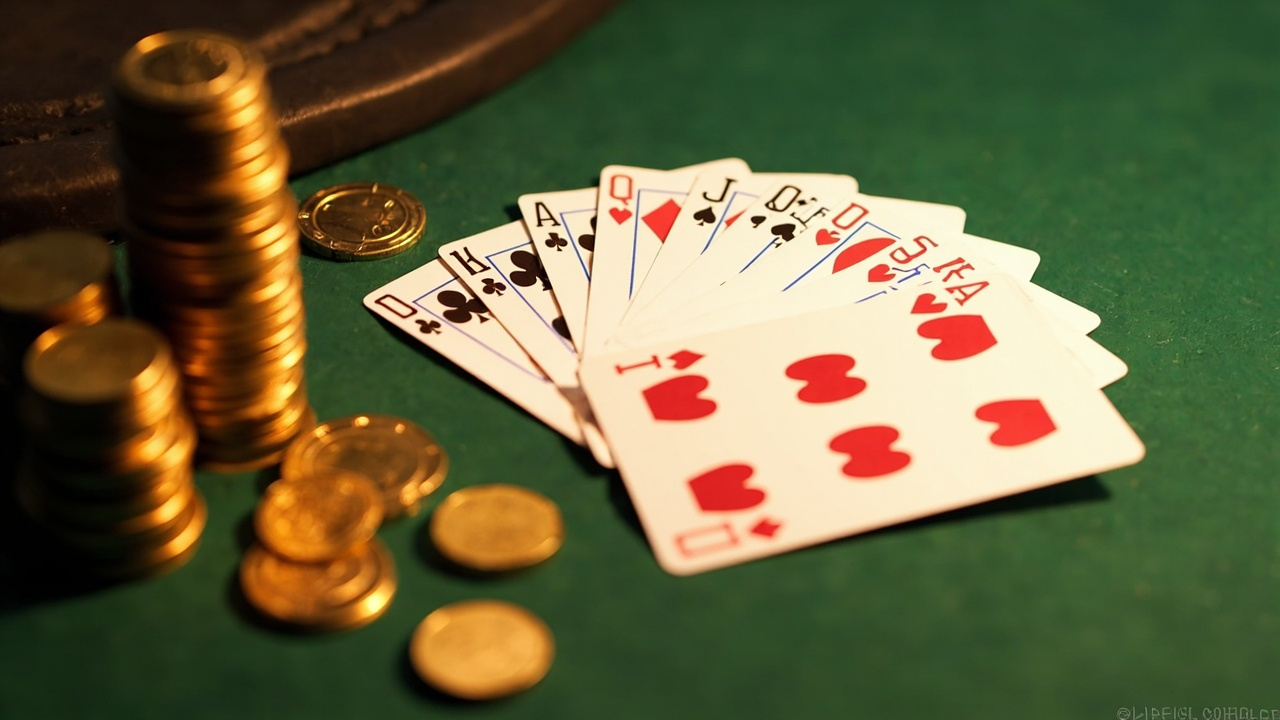
- Clear bonus meter visible from the seat
- AUD display with no hidden conversion step
- Bonus rules readable without digging through menus
- Stake steps that make sense at both low and high limits Jackpot Fissi E Atmosfera Di Casa:
- Mobile layout that keeps the same flow as the desktop version
- Support path that is easy to find before you need it heapsowins review
The same discipline shows up in games that have nothing to do with slots. Loaded or “shaved” dice are a classic craps cheat that casinos guard against with clear, stamped dice, and the point is not the gadgetry but the audit trail. A property that treats its bonus features the same way – clear rules, readable indicators, consistent display – usually gives players a smoother session than one that relies on mystery alone. I have also seen floor plans change around outside forces, like when the Tropicana, a Strip veteran, closed to make way for a new stadium project, which is a reminder that the entertainment around a machine matters as much as the machine itself. Pop culture keeps circling the same theme too: “Breaking Bad” and “Better Call Saul” touch on money and vice in the Southwest, and the throughline is that people read the room long before they read the payout.
A simple comparison table can help match the preference to the setup:
| Player fit | Bonus frequency | What the interface should do | Session feel |
|---|---|---|---|
| Steady rhythm | More frequent, smaller features | Keep the meter clear, keep stakes readable | Calm, repeatable |
| Rare big moment | Less frequent, wider swings | Explain rules plainly, show minimum entry | Dramatic, higher variance |
| Mixed crowd | Tunable by property | Hold the flow through busy shifts | Flexible, less fussy |
If you are weighing jackpot bonus round slots for your own session style, the useful question is not which setup looks the loudest on a trailer. It is which one keeps the bonus round readable, keeps the currency and language consistent, and keeps the navigation simple when the floor gets busy. The Gold Coast teaches that lesson quickly because the crowd changes shape before the night is over, and a machine that holds up through that shift is usually the one worth returning to. No setup removes the variance, and no interface makes the maths predictable, but a well-localised, clearly presented bonus round gives you a better sense of what you are actually playing for.