
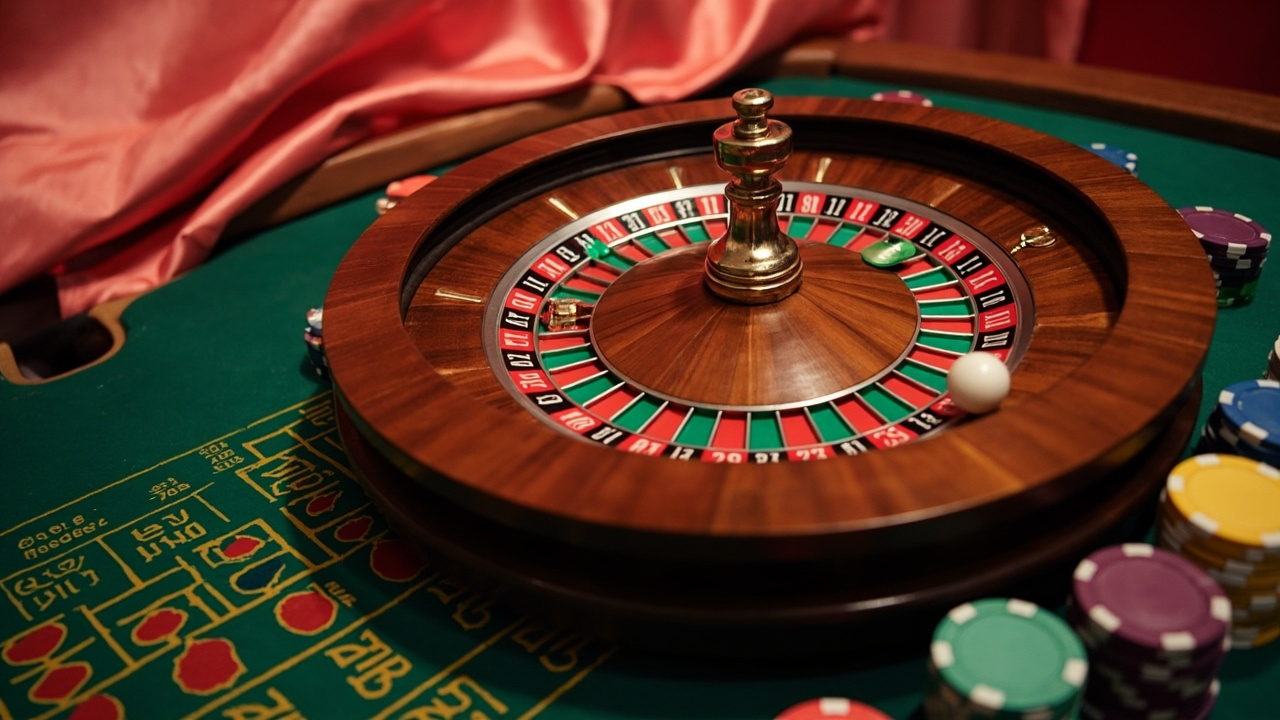
The French roulette rules you will encounter on an Australian lounge are straightforward once you strip away the marketing gloss. You place chips on a numbered grid, the croupier spins a ball, and the wheel settles on a pocket that decides the payout. What separates this variant from its European and American cousins is a handful of table-specific calls and the way the house edge sits on certain outside bets. I have spent more than a decade closing software and compliance deals across SaaS, RegTech, FinTech and real estate, and I treat a roulette layout the same way I treat a contract: read the fine print before you commit capital. If you are weighing whether a table suits your bankroll and pace, the mechanics matter far more than the flashing lobby graphics.
The wheel itself carries numbers one through thirty-six plus a single zero, which immediately tells you the house edge on straight bets sits at roughly two-point-seven per cent before any special table rules apply. The betting grid mirrors that wheel, with inside bets covering individual numbers or tight clusters and outside bets spreading across colours, odd/even, and the three dozen sections. French tables add a few named call bets such as voisins du zéro, tiers du cylindre, and orphelins, which are really just pre-set groupings that the dealer places for you when you ask for them. You can still lay chips anywhere you like, so those call bets are convenience rather than obligation. The real differentiator arrives on the outside bets: if the ball lands on zero, the la partage rule typically returns half your stake on even-money wagers, and the en prison rule sometimes holds that stake for the next spin instead of collecting it outright. Those clauses do not change the wheel, but they do change how long your session runs and how often a bad spin gets softened. https://gargopermits.com
What this means for Australians is that the same French roulette rules you see advertised overseas will feel familiar at a local venue, yet the exact wording on the felt matters because not every operator applies la partage or en prison the same way. You will want to confirm whether the table actually honours those half-back or hold-for-next clauses before you sit down, because a advertised French layout that runs on standard European rules will quietly cost you more over a long arvo. Brisbane players who prefer a slower, methodical pace tend to gravitate toward outside bets with those protections, while anyone chasing bigger swings usually works the inside grid and accepts the full edge on every spin. No worries if you are new to the call bets; ask the dealer to walk you through one round on a voisins bet and you will see how the chips stack in a way that is easier to track than a scattered inside spread.
The game catalog and lobby around French roulette rules usually sit inside a broader table and live casino mix, and the way a venue organises that lobby will shape how quickly you find a seat that matches your pace. A well-sorted lobby separates French tables from European and American variants, lists the active table rules on the thumbnail, and shows the minimum and maximum stakes in the local currency so you are not guessing at the door. Providers matter here because the same French layout can feel quite different depending on whether the stream comes from a live dealer studio or a digital simulation, and the animation speed, sound cues, and chip-handling visuals will either keep you relaxed or rush your decisions. Search and discovery tools should let you filter by rule set, stake band, and dealer language, because a table that advertises French rules but runs a generic outside-bet structure is not really giving you what you asked for. I have negotiated product rollouts in FinTech and real estate where the advertised feature set looked tidy on paper but the actual user flow forced people to click through three extra screens; a casino lobby that buries the rule details behind a generic tiles wall creates the same friction, and players end up at the wrong table more often than they admit.
When you drill into the specifics, the review focus lands on whether the table actually delivers the French roulette rules it claims, rather than just wearing the name. Archie Jackson, Head of Operator Partnerships, Flinders Interactive Group, notes that operators who label a table French without applying la partage or en prison are really selling a cosmetic rename, and players who read the payout sheet before the first spin usually spot that mismatch in under a minute. Henry Williams, Head of Live Casino, Great Southern Betting Review, points out that the lobby organisation and search filters matter just as much as the wheel itself, because a cluttered catalogue pushes people toward faster, higher-variance tables when they wanted a measured outside-bet session. Sienna Hall, Gaming Technology Consultant, Kangaroo Point Analytics, observes that the provider stream and the felt layout have to align on the same rule set, since a digital overlay that shows one payout structure while the live dealer follows another creates confusion that no amount of polished animation fixes. The practical takeaway is that you should treat the lobby as a filter, not a showcase, and pick the table where the written rules, the dealer calls, and the chip handling all point to the same French structure.
The registration, payments, and support side around French roulette rules should stay consistent with the rest of the venue, because a table that looks tidy but sits behind a clunky sign-up flow or a payment queue that stalls in a different currency will sour the session fast. A decent setup lets you register with a few clear fields, confirms the currency you will be playing in before you fund the account, and keeps the deposit and withdrawal routes aligned with the same money trail so you are not juggling conversions mid-session. Mobile play should mirror the desktop table without forcing you to relearn the chip placement, and support should be reachable when a rule dispute or a stream lag question comes up, rather than hiding behind a generic form that takes hours to answer. Loyalty mechanics can be a nice bonus if they reward regular play on the table you actually like, but they should not be the reason you sit down at a French wheel that does not honour the half-back or hold-for-next clauses you came for. I have seen enough compliance-heavy products in RegTech and SaaS where the onboarding looked smooth but the real friction showed up at the payment and support layer, and a casino table is no different: the felt is only half the experience, and the rest has to hold up when you are actually moving money and asking questions.
The verdict is simple enough: French roulette rules suit players who want a measured table with a slightly softer edge on even-money outside bets, provided the venue actually applies la partage or en prison and the lobby makes that clear before you commit chips. If you prefer a slower pace, you can work the outside grid and let those protections stretch a session without pretending the house edge disappears; if you want bigger swings, the inside numbers and call bets are still there, but you are playing the standard variance rather than banking on a rule that is not really in play. The right fit comes down to reading the felt, checking the lobby filters, and picking a table where the advertised rules match the dealer’s actual calls, because that alignment is what turns a French wheel from a pretty name into a table you can actually plan around.